
Ceiling Sixth-Order Diffusers
A square diffusion module for a coordinated acoustic ceiling. The sixth-order range uses a stepped-well surface in a 600 × 600 mm footprint, allowing the ceiling layout to be planned as a repeatable array.
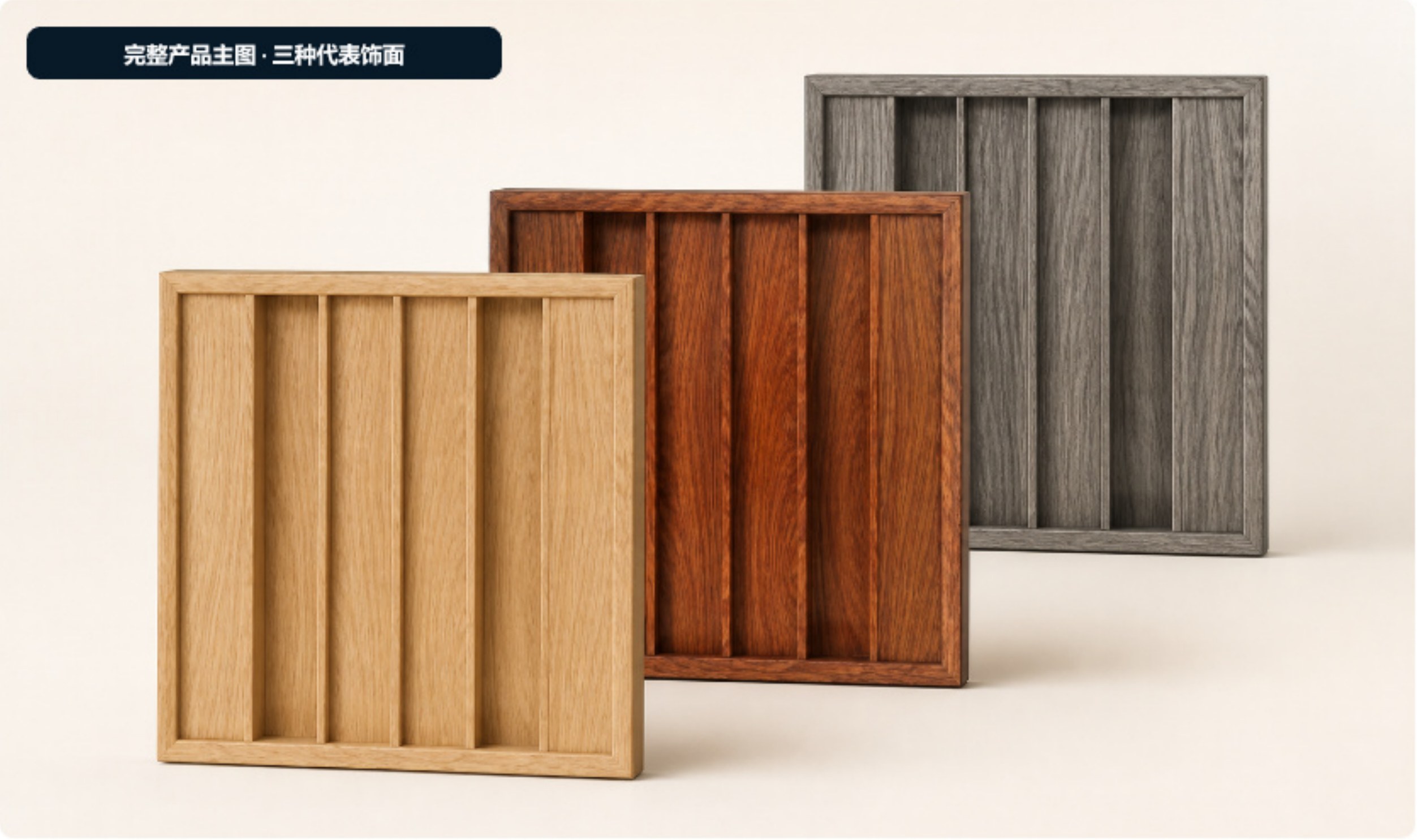
Where it belongs.
Review ceiling diffusion where the room design calls for redistribution of reflected sound. Coordinate the array with listener positions, ceiling height, lighting, ventilation and service access before fixing the module count.
Typical spaces
- Private cinemas
- Hi-fi listening rooms
- Recording and music spaces
Keep the function clear
This is a diffuser, not a suspended PET absorber. The catalogue name does not establish a tested diffusion bandwidth. Overhead installation requires a suitable supporting structure and confirmed anchors; an illustrative layout is not a fixing design.
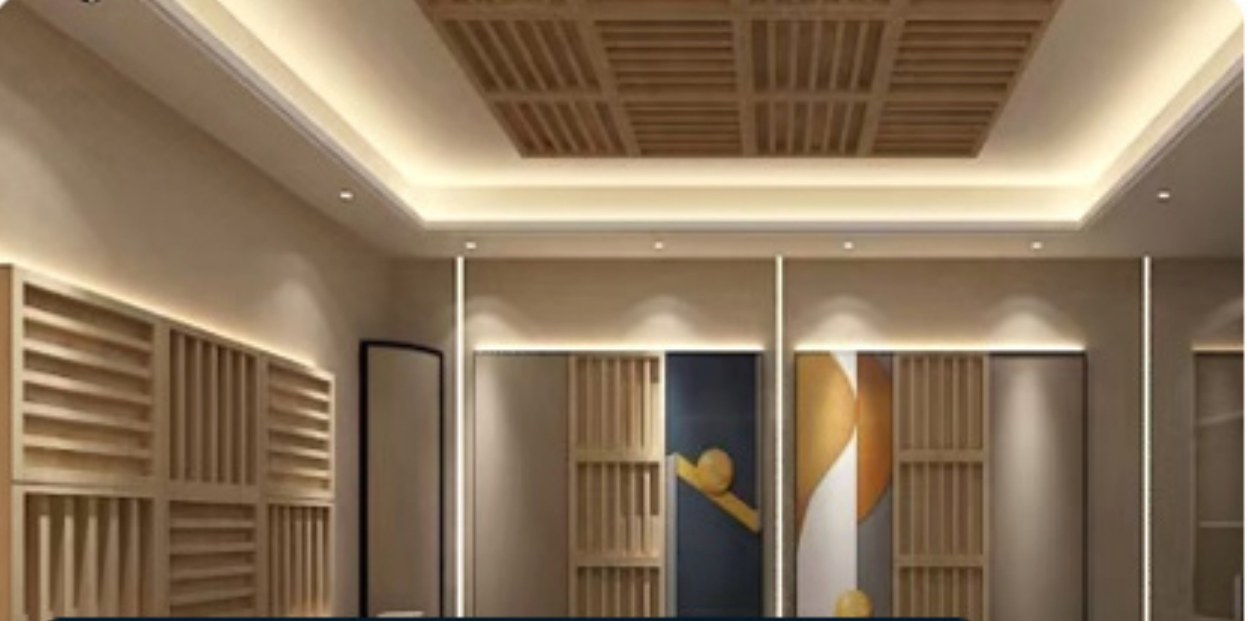
Keep the ceiling layout coordinated.
The illustration shows the intended position of a modular array. Final array size, orientation and treatment balance should follow the room design, not the number of empty ceiling tiles.
Product specifications
Catalogue formats are a starting point for enquiry. Confirm the current supplied construction, finish and dimensions in the quotation.
- Catalogue model
- YBS-KS-0004 / A-DIF-QRD
- Module footprint
- 600 × 600 mm
- Material
- PS
- Surface finish
- Woodgrain transfer finish; not a solid-wood specification
- Installation
- Project-designed ceiling array
Before ordering
- Provide room dimensions, ceiling height and proposed listener positions.
- Send a reflected ceiling plan including lights, ventilation and access panels.
- Confirm module depth, weight, finish, substrate and engineered fixing requirements in the quotation.
Make the next decision with the right information.
Planning your selection
Is the woodgrain finish natural wood?
The catalogue specifies PS with a transferred surface finish. Select the appearance using a physical sample; do not specify the illustrated woodgrain as a timber species.
Can these replace absorptive ceiling clouds?
Not directly. These modules redistribute reflections, whereas PET ceiling absorbers are selected to absorb sound. The appropriate balance depends on the room's acoustic design.
Connect the product to your space.
These planning guides explain room requirements and product choices. They are application guidance, not completed-project case studies.